
You can truly transform your space with a few delightful DIY projects! Start by giving your walls a fresh coat of paint, which can instantly brighten a room and express your personality. Next, consider upgrading your lighting fixtures; a chic new pendant or some stylish sconces can create a warm, inviting atmosphere. Finally, revamp your garden or balcony with a vertical planter, adding lush greenery that breathes life into your outdoor area. These projects not only elevate your home's aesthetic but also foster creativity and joy. Curious about more inspiring ideas? Stick around, there's plenty more to explore!
Key Takeaways
- Kitchen Upgrade: Repainting cabinets or installing new hardware can significantly enhance the kitchen's appearance and functionality without a full renovation.
- Bathroom Refresh: Simple updates like replacing fixtures or adding a new backsplash can transform a bathroom's look and increase its value.
- Outdoor Living Space: Building a deck or patio creates an inviting outdoor area for relaxation and entertainment, boosting curb appeal and home value.
- Lighting Improvements: Installing modern light fixtures or adding dimmer switches can drastically change the ambiance of a room and improve energy efficiency.
- Wall Treatments: Applying a fresh coat of paint or utilizing wallpaper can revitalize any room, making it feel updated and personalized.
Survival Projects for Off-Grid Living Handbook
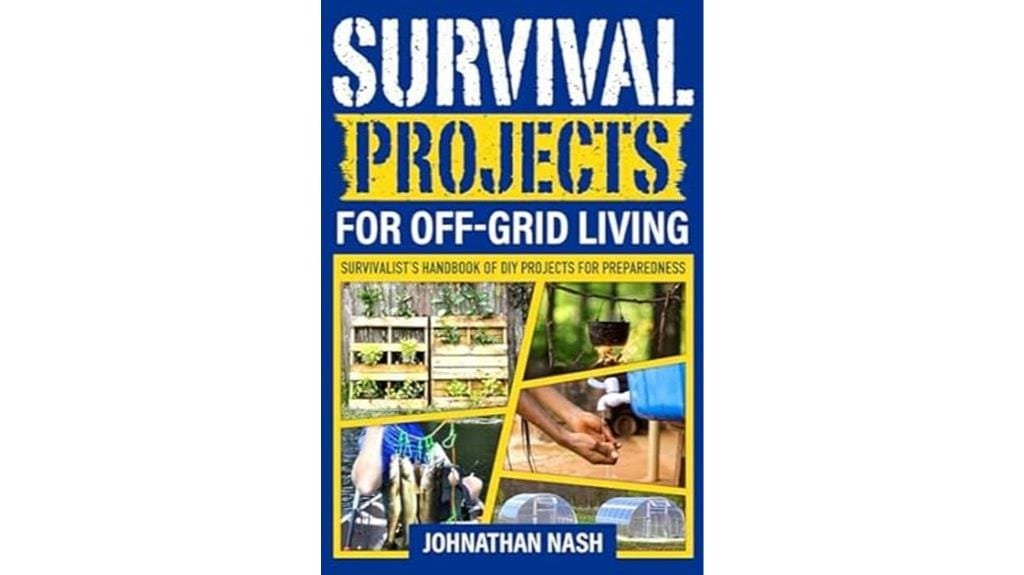
If you're looking to embrace a self-sufficient lifestyle, "Survival Projects for Off-Grid Living Handbook" is the perfect choice for you. This book is a treasure trove of over 70 practical projects that can transform your home into a self-sustaining haven. Whether you want to collect rainwater, harness solar energy, or create your own outdoor cooking setup, you'll find clear, step-by-step instructions that make even the most ambitious tasks feel manageable. The conversational tone invites you in, making you feel like you're learning from a friend rather than a distant expert. Plus, with engaging visuals, you'll find it easy to follow along. So, get ready to roll up your sleeves and plunge into a world of creativity and independence; your off-grid journey awaits!
Best For: Individuals and families looking to enhance their self-sufficiency through practical off-grid living projects.
Pros:
- Clear, step-by-step instructions make projects accessible for beginners.
- Over 70 diverse projects cater to various self-sufficiency needs, from water collection to food preservation.
- Engaging and conversational writing style makes learning enjoyable and relatable.
Cons:
- Some information may vary regionally, requiring additional research for specific environments.
- A few readers have criticized the author's personal experience in off-grid living.
- Limited advanced projects may not challenge more experienced DIY enthusiasts.
Ultimate Guide to Home Repair and Improvement (3rd Edition)
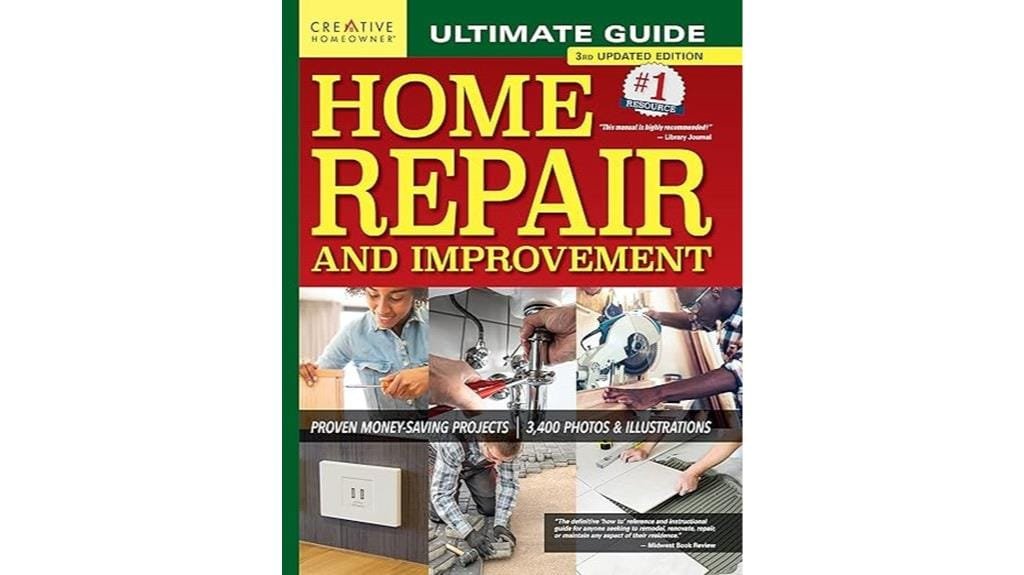
The "Ultimate Guide to Home Repair and Improvement (3rd Edition)" is perfect for DIY enthusiasts who want a thorough resource packed with practical projects and money-saving tips. Imagine flipping through 608 pages filled with 325 detailed DIY projects, each accompanied by stunning visuals—3,400 photos and illustrations guide you step by step, making even the trickiest tasks feel doable. You'll discover not just ideas for upgrades but also savvy ways to save money, empowering you to tackle repairs you might've otherwise paid someone else to do. While some sections might assume you have prior knowledge, don't worry; pairing this book with basic tutorials will bridge any gaps. It's a gem for both beginners and seasoned DIYers, making it an invaluable addition to your home improvement library.
Best For: DIY enthusiasts and homeowners looking for a comprehensive guide to home repair and improvement projects.
Pros:
- Extensive Resource: Features 325 step-by-step DIY projects and 3,400 visual aids that simplify complex tasks.
- Cost-Effective Solutions: Includes money-saving tips that empower users to handle repairs without hiring professionals.
- User-Friendly Layout: The clear organization and visual guidance make it accessible for both beginners and experienced DIYers.
Cons:
- Assumes Prior Knowledge: Some sections may require additional resources for complete beginners to fully understand.
- Limited Detail in Sidebars: Specific issues may only be addressed in sidebars with insufficient depth for more complex problems.
- Quality Issues: There may be occasional problems such as damaged pages, which could detract from the overall experience.
Ultimate Guide: Plumbing, 6th Edition
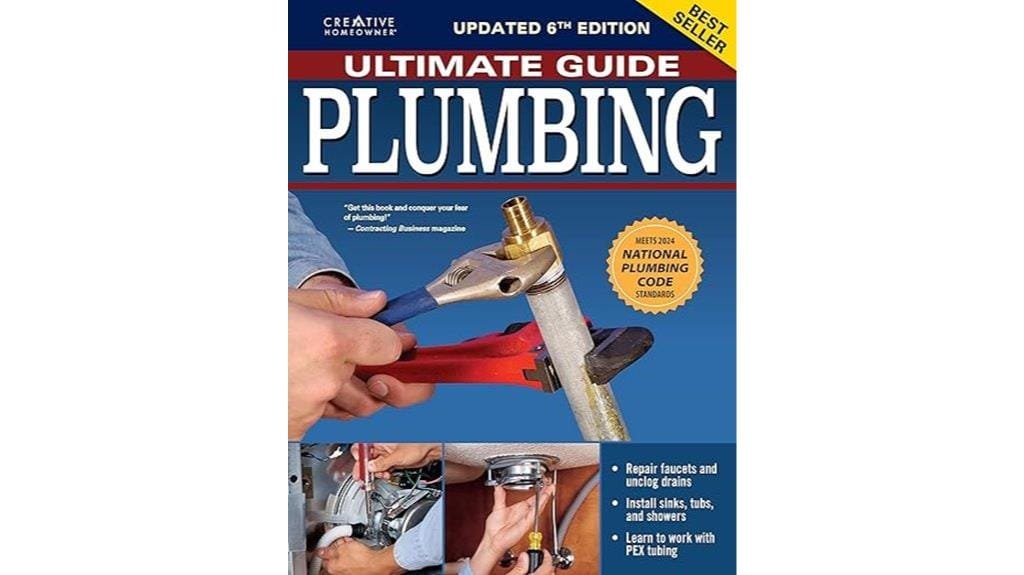
For DIY enthusiasts looking to tackle plumbing projects, "Ultimate Guide: Plumbing, 6th Edition" is an invaluable resource. This book dives deep into the 2024 National Plumbing Code Standards, ensuring you're not just fixing leaks, but doing it right. With over 800 vibrant photos and beginner-friendly projects, it makes even the most intimidating tasks feel achievable. You'll find step-by-step guidance that walks you through everything from simple repairs to more complex installations, making it perfect whether you're a novice or ready to take on a bigger challenge. Users rave about its clarity and practical application, noting how the photographs and diagrams enhance understanding. Grab this guide, roll up your sleeves, and let's turn those plumbing woes into triumphs!
Best For: DIY enthusiasts and beginners looking to confidently tackle plumbing projects with clear guidance and visual aids.
Pros:
- Comprehensive: Covers the 2024 National Plumbing Code Standards, ensuring compliance and safety.
- User-Friendly: Offers step-by-step instructions that make complex plumbing tasks accessible to novices.
- Visual Learning: Features over 800 photos and diagrams that enhance understanding and help visualize techniques.
Cons:
- Limited Advanced Techniques: May not cover highly specialized plumbing scenarios for experienced professionals.
- Size and Weight: The book may be bulky and cumbersome for some users to handle during projects.
- Price Point: Could be considered expensive compared to other basic plumbing guides on the market.
Factors to Consider When Choosing DIY Home Improvement Projects
When you're choosing a DIY home improvement project, it's crucial to reflect on your skill level, budget, and the time you can realistically commit. Each project brings its own set of complexities, and knowing what tools you have at your disposal can make or break your success. So, let's explore these significant factors together, ensuring you pick a project that feels rewarding and achievable!
Skill Level Assessment
Choosing the right DIY home improvement project starts with an honest assessment of your skill level. It's crucial to gauge where you stand because projects can vary dramatically in complexity, from simple tasks like painting a room to intricate jobs like plumbing or electrical work that demand prior experience. If you're just starting out, consider tackling beginner-friendly projects, such as fixing a leaky faucet or revitalizing your space with a new coat of paint. These smaller tasks will help you build confidence and hone your skills gradually.
Next, think about any specific tools or materials you'll need. Are you familiar with them? Knowing how to use fundamental tools can greatly impact your ability to complete a project successfully. Don't hesitate to lean on resources like instructional guides or online tutorials—they're invaluable for learning the necessary steps. Finally, remember that more challenging projects often require a greater time investment and may be best approached with help or guidance, especially when they involve complex systems or potential safety concerns. So, take a deep breath, assess your abilities, and choose a project that excites you while matching your skill level. Happy DIYing!
Budget Considerations
Once you've assessed your skill level and identified a project that excites you, it's time to contemplate your budget. Establishing a clear budget is vital, not just for keeping your spending in check, but also for ensuring you allocate funds wisely across materials, tools, and any potential labor costs. You might want to explore research on average costs, as prices can vary greatly based on quality and local market conditions.
Surveys show that nearly 70% of DIYers end up exceeding their initial budget, so consider including a contingency fund of 10-20% for those pesky unexpected expenses that always seem to pop up. While many DIY projects can save you up to 50% on labor costs, careful budgeting for necessary tools and materials will keep your project cost-effective.
Additionally, think about planning your improvements in phases instead of diving into everything at once; this strategy allows for gradual investment while helping you manage cash flow. By being realistic and strategic about your budget, you'll not only feel more confident but also enjoy the journey of transforming your space without financial stress.
Time Commitment
Time commitment plays an essential role in deciding which DIY home improvement projects fit into your life. Before diving in, take a moment to assess how much time you can realistically dedicate to each project. While some tasks might seem straightforward and only require a few hours, others could stretch over several weekends, leaving you feeling overwhelmed if you're not prepared.
Remember, the time you estimate for a project often doesn't account for unexpected challenges that may arise. A simple task might reveal hidden complexities, turning a quick fix into a time-consuming endeavor. Additionally, don't forget to factor in preparation and cleanup time, which can greatly extend your overall commitment.
To make your DIY journey enjoyable, prioritize projects based on their time requirements. This way, you can manage your workload without feeling swamped. It's all about planning for realistic timelines and allowing some wiggle room for those pesky surprises. By doing this, you'll not only enhance your space but also guarantee that the process remains fun and fulfilling, rather than a source of stress. So grab your tools, plan wisely, and let your creativity flow!
Project Complexity
Project complexity is a crucial factor in determining the success of your DIY home improvement efforts. Before diving into a project, take a moment to assess your current skill level and experience with similar tasks; if you choose something that's beyond your capabilities, frustration can quickly become your unwelcome companion, leading to less-than-stellar results.
Next, evaluate the time commitment required. More complex tasks often demand considerable planning, preparation, and execution time, so make sure you're ready to invest that effort. It's also essential to reflect on the tools and materials you'll need; specialized equipment can ramp up both costs and preparation time, which could impact your budget or timeline.
Don't overlook the potential for unexpected challenges, like structural issues or the need for additional permits, which can complicate things further and extend your project's timeline. Finally, review the step-by-step instructions and visual aids available; clear guidance can greatly reduce complexity, making it easier for you to navigate the process. By carefully weighing these factors, you'll be well on your way to selecting a DIY project that's both rewarding and achievable.
Available Tools
When planning your DIY home improvement projects, the tools at your disposal can make a significant difference in both ease and quality of execution. It's essential to assess what you have, ensuring your tools are in good shape, as the right ones can truly elevate your project. For beginners, starting with basic hand tools—like hammers, screwdrivers, and pliers—can build your confidence before you immerse yourself in more complex tasks that require specialized equipment.
Power tools, such as drills and saws, can speed up your work, but always remember to understand their operation and safety protocols, which are imperative for preventing accidents. Imagine the satisfaction of completing a project safely and efficiently!
Creating a well-organized workspace, with easy access to your tools, can enhance your efficiency, saving you precious time you might otherwise spend searching for that elusive wrench. Finally, don't overlook the importance of maintenance and storage; a little care can prolong your tools' life, ensuring they're always ready for your next adventure in home improvement. So, gather your tools, roll up your sleeves, and let's transform your space together!
Space Requirements
Before diving into your DIY home improvement projects, it's important to assess the space you have available. Start by evaluating the square footage in your home, as this will help you determine which projects are feasible; you don't want to start a grand renovation only to find you lack the room for tools and materials. Next, consider your vertical space—projects like shelving or cabinetry require height, so think about how high you can go without feeling cramped.
Don't forget to examine the layout of your living areas; open spaces provide more opportunities for extensive renovations, while smaller, compartmentalized rooms might limit your options. Accessibility is significant too; make sure you have enough room to move around safely, as a cluttered workspace can lead to accidents or slow down your progress.
Lastly, factor in the potential disruption to your daily life. Some projects may take longer and impact how you use affected areas in your home. By carefully considering these space requirements, you'll set yourself up for a successful, enjoyable DIY experience, transforming your space into something truly special.
Long-Term Benefits
Considering the long-term benefits of your DIY home improvement projects can greatly influence your choices and overall satisfaction. Imagine transforming your space not just for today, but for years to come. By investing in energy-efficient upgrades, like insulation or new windows, you could see energy bills drop by 10-50% annually, freeing up funds for things you truly enjoy. Enhancing your home's curb appeal might not only provide immediate gratification, but it can also boost your property's value by 5-15%, making it irresistible to potential buyers when the time comes to sell.
Regular maintenance and improvement can also extend the lifespan of your home systems and appliances, helping you avoid those dreaded costly replacements. Plus, adopting sustainable practices, such as rainwater harvesting or composting, doesn't just benefit your wallet in the long run—it's a wonderful step towards environmental conservation. And let's not forget about safety; enhancing safety features through DIY projects can reduce accidents, which means lower insurance premiums and peace of mind. So, as you set out on your DIY journey, remember these long-term benefits—your future self will thank you!
Conclusion
As you commence on these DIY home improvement projects, think of your space as a blank canvas, waiting for your unique brushstrokes to bring it to life. Each small change you make, like planting seeds in a garden, can blossom into a vibrant transformation that reflects your personality and warmth. So, gather your tools and let your creativity flow; soon, you'll find that your home isn't just a place to live, but a true sanctuary that tells your story.