
To elevate your design aesthetic, consider investing in smart lighting, smart thermostats, and smart security systems. Smart lighting, with its ability to layer ambient, task, and accent sources, creates stunning atmospheres tailored to any mood or occasion. A smart thermostat not only optimizes your home's energy efficiency but also integrates beautifully into your décor, showcasing sleek design. Finally, smart security systems offer peace of mind while enhancing your home's exterior with stylish cameras and sensors. Together, these technologies infuse elegance and functionality, transforming your space into a chic sanctuary that reflects your unique style and needs, just like you'll discover next.
Key Takeaways
- Smart lighting systems allow for customizable ambiance, enhancing interior design while providing energy efficiency through LED technology.
- Integrated smart speakers blend seamlessly into decor, offering both functionality and a modern aesthetic appeal.
- Smart thermostats optimize comfort and energy usage, featuring sleek designs that complement contemporary home aesthetics.
- Automated window treatments provide convenience and style, allowing for natural light control without compromising design.
- High-tech security cameras and doorbells come in stylish finishes, enhancing home security while maintaining visual appeal.
Brilliant Residential Lighting Techniques in the Age of LEDs
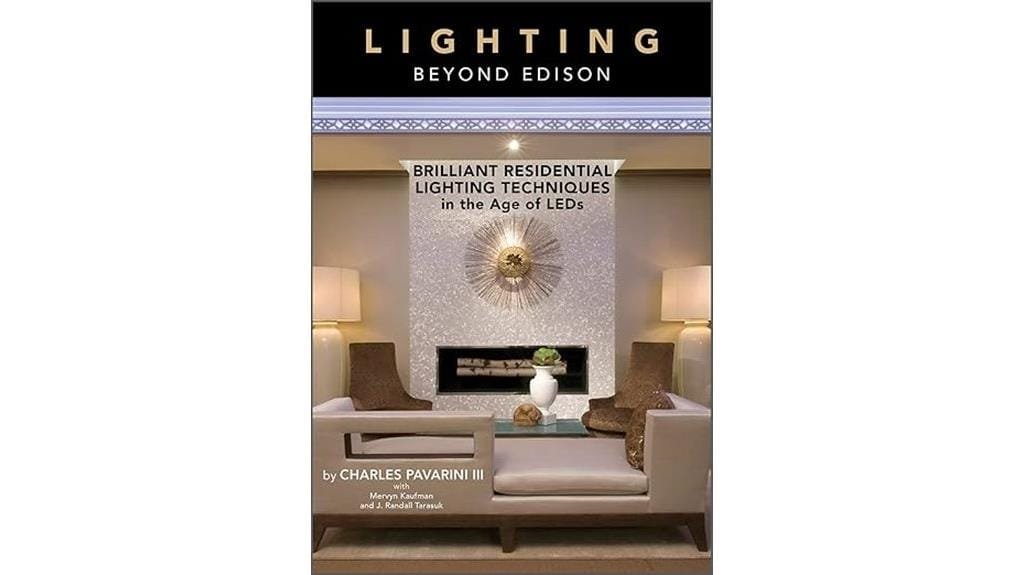
In the age of LEDs, mastering brilliant residential lighting techniques is essential for homeowners looking to enhance both the functionality and ambiance of their spaces. You know that lighting can transform a room, right? By layering multiple sources of light, you can create moods that range from cozy to vibrant, making every corner of your home come alive. Imagine illuminating your vaulted ceilings with soft, warm lights that dance along the edges, creating an ethereal atmosphere that invites relaxation. This book breaks down complex lighting concepts, making them accessible and inspiring. With stunning visuals and practical applications, you'll feel empowered to experiment and personalize your designs, turning your home into a beautiful sanctuary that reflects your unique style and needs.
Best For: Homeowners and design enthusiasts looking to enhance their living spaces through innovative and personalized lighting techniques.
Pros:
- Educational Approach: Simplifies complex lighting concepts, making them easy to understand and apply.
- Visual Inspiration: Features stunning photos and examples that showcase the beauty and versatility of lighting design.
- Practical Tools: Offers QR codes linking to actual lighting products for easy implementation of ideas.
Cons:
- Initial Investment: Upgrading to advanced lighting solutions may require a significant financial commitment.
- Complexity for Beginners: Some readers may still find certain techniques challenging without prior experience.
- Limited Scope: Focuses primarily on residential lighting, which may not cater to commercial or industrial applications.
HVAC Mastery Bible: All-in-One Guide to Heating, Ventilation, and Air Conditioning

The HVAC Mastery Bible is the perfect choice for homeowners and DIY enthusiasts looking to demystify heating, ventilation, and air conditioning systems. This engaging guide breaks down complex HVAC concepts into easily digestible information, making it approachable even for beginners. You'll discover how to select the right system tailored to your unique needs, considering climate conditions and budget constraints, which is immensely practical as you shift to cozy heating during those chilly months. Plus, it emphasizes maintaining good air quality, protecting your family from allergens while ensuring your system runs safely. With insights into emerging trends and smart home integration, this book not only empowers you to understand HVAC but also elevates your home's comfort and efficiency like never before.
Best For: Homeowners and DIY enthusiasts seeking a comprehensive yet accessible guide to understanding HVAC systems.
Pros:
- Simplifies complex HVAC concepts, making it beginner-friendly and easy to understand.
- Guides readers in selecting suitable HVAC systems based on climate and budget considerations.
- Emphasizes air quality and safety, providing strategies to protect against allergens and prevent hazards.
Cons:
- Lacks depth and technical details, which may not satisfy advanced readers seeking in-depth knowledge.
- Focuses primarily on beginners, potentially overlooking more experienced HVAC professionals.
- May not cover all emerging trends comprehensively, leaving some readers wanting more detailed insights.
CTS-D Certified Technology Specialist-Design Exam Guide

For aspiring professionals aiming to excel in the AV industry, the CTS-D Certified Technology Specialist-Design Exam Guide stands out as an essential resource. This guide offers extensive coverage of exam questions, requiring you to apply concepts and math, making it invaluable for those with some experience. It's designed to enhance your understanding, and while it requires thorough reading and practice, the effort pays off as you prepare effectively for the exam. Beyond preparation, this guide serves as a reliable reference for ongoing projects, filled with useful information and calculations. Though it contains a few typos, which might trip you up occasionally, its overall organization, structure, and timely delivery make it a practical companion for both your exam journey and professional growth.
Best For: The CTS-D Certified Technology Specialist-Design Exam Guide is best for aspiring AV professionals who have some experience and are preparing for the CTS-D certification exam.
Pros:
- Comprehensive coverage of exam questions that require application of concepts and math.
- Well-organized content makes studying and referencing easier during exam preparation.
- Timely delivery ensures that users receive the guide as promised, enhancing the overall experience.
Cons:
- Contains numerous typos that may affect accuracy and understanding of the material.
- Requires thorough reading and practice math, which may be challenging for some users.
- While useful, the typos may reflect in the exam, potentially impacting performance.
Factors to Consider When Choosing Smart Home Technology in Design
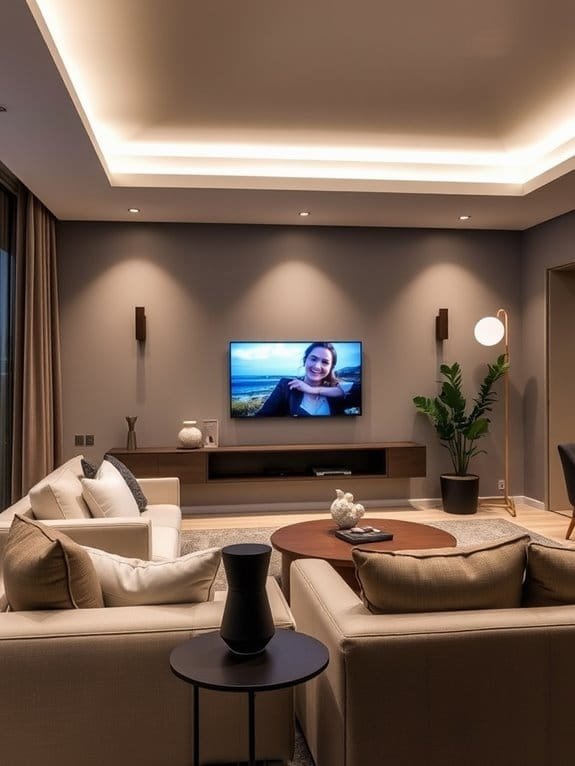
When you're choosing smart home technology for your space, it's essential to reflect on how user-friendly the interface is, since you want something that feels intuitive and makes your life easier. You'll also want to take into account how well your new gadgets will play with your existing systems, because seamless integration can save you headaches down the line. Plus, don't overlook energy efficiency, scalability, and security features, as these factors not only enhance your home's functionality but also keep it safe and future-ready.
User Interface Design
How can you guarantee a seamless experience with smart home technology? The answer lies in user interface design. You want a system that feels intuitive, guiding you effortlessly through various functions without the need for a technical manual. Prioritize designs that emphasize intuitive navigation, so you can control your home with ease.
Visual hierarchy matters, too; elements like size, color, and positioning can draw your attention to what's most important, transforming a complex gadget into an accessible tool. And don't overlook accessibility—your smart home should be welcoming for everyone, including those with visual or motor challenges.
Feedback mechanisms, such as friendly auditory signals or subtle visual cues, can confirm your actions and clarify the system's status, making the experience even more reassuring. Consistency is essential; familiar icons, terminology, and layouts help you build confidence with the technology, turning it from a novelty into a natural part of your daily life.
In essence, a well-designed user interface transforms your smart home from a maze of buttons into a harmonious environment, allowing you to enjoy the beauty of technology without the frustration.
Integration With Existing Systems
Integrating smart home technology with your existing systems is crucial for a smooth and efficient operation. You'll want to assess the compatibility of your current HVAC, lighting, and security systems to guarantee everything works harmoniously together, avoiding potential functionality hiccups. Take a moment to evaluate the communication protocols, like Z-Wave, Zigbee, or Wi-Fi, that your existing devices use, as this will help you determine if new smart devices can effectively communicate without a hitch.
Don't forget to take into account the convenience of a central hub, which can unify control of your various smart devices, making your life simpler and your home more efficient. Imagine controlling your lights, thermostat, and security system all from one sleek interface! Additionally, review the scalability of your chosen technology; you'll want to make sure it can expand alongside your needs without requiring a complete overhaul down the road. Finally, confirm that any new technology complies with your existing infrastructure standards, maintaining reliability and performance. By thoughtfully integrating smart home technology, you're not just enhancing convenience—you're elevating your entire living experience!
Energy Efficiency Considerations
Choosing smart home technology involves more than just convenience; energy efficiency plays a significant role in your decision-making process. By embracing energy-efficient solutions, you can reduce your energy consumption by up to 30%, which is not only good for the planet but also for your wallet. For instance, smart thermostats learn your preferences, adjusting heating and cooling to save an average of 10-12% and 15% on your utility bills, respectively. Imagine coming home to the perfect temperature without wasting energy!
Integrating smart lighting systems with LED bulbs can lead to impressive savings of up to 75% compared to old incandescent bulbs, all while extending bulb life and enhancing your space's ambiance. And don't forget about smart power strips; they cut power to devices not in use, tackling those pesky phantom loads and saving you around 10% on electricity bills.
With energy monitoring systems, you gain real-time insights into your energy usage, empowering you to make informed decisions that lead to even more savings. By prioritizing energy efficiency in your smart home design, you're not just improving your lifestyle; you're also embracing sustainability and financial responsibility.
Scalability and Future-proofing
Scalability and future-proofing are vital factors when designing your smart home. You want a space that grows with you, adapting to your ever-changing needs and the latest technology trends. Imagine being able to add new devices or systems without tearing everything down; that's the beauty of scalability. By opting for open protocols like Zigbee or Z-Wave, you guarantee your smart home can connect effortlessly with a broader array of devices, creating a harmonious ecosystem that responds to your lifestyle.
Future-proofing goes hand-in-hand with scalability. Selecting technology that can evolve with emerging innovations is imperative, as it helps you stay ahead of the curve. Look for systems that offer regular software updates and the potential for hardware upgrades—this can greatly extend the life of your tech and keep it relevant.
Considering a modular approach allows you to implement smart technology in phases, making it easier to adapt to future advancements without overwhelming your budget or space. So, as you commence this exciting journey, keep scalability and future-proofing in mind, guaranteeing your smart home remains a sanctuary of comfort and innovation for years to come.
Security and Privacy Features
As you build your smart home, security and privacy features deserve your full attention. It's not just about convenience; it's about safeguarding your sanctuary. Start by prioritizing devices that feature end-to-end encryption, which guarantees that your data remains safe from prying eyes and that communication between devices is secure. Imagine the peace of mind knowing your personal information is protected.
Next, consider systems that offer two-factor authentication, adding that important layer of security by requiring a second form of verification for access. You'll feel reassured that only you can enter your digital domain. Regular software updates are another critical factor; they help address vulnerabilities and keep your home secure against emerging threats, making sure your technology stays one step ahead.
Don't overlook the privacy policies of your chosen devices. Understanding how your data is collected, stored, and shared is essential, as it empowers you to make certain your personal information isn't misused. Opt for devices that allow you to customize privacy settings, granting you control over what data is shared and with whom. In this connected world, you can maintain your privacy, creating a smart home that truly reflects your values.
Budget and Cost Analysis
When diving into the world of smart home technology, budgeting effectively is essential to guarantee you get the most out of your investment. Start by understanding that initial setup costs can range dramatically, from around $1,000 to over $10,000, depending on how complex your system will be and how many devices you want to integrate. It's wise to prioritize essential devices and functionalities first, making sure you're not overspending on features you might not need right away.
Don't forget to factor in ongoing expenses, such as subscription fees and maintenance costs, which can sneak up on you if you're not careful. However, there's a silver lining to reflect on—many smart technologies can actually help you save on energy bills, with potential savings of 10-30% over time, making that initial investment feel a little lighter.
Lastly, think about the longevity of your devices. Choosing options that are compatible with future upgrades can guarantee you won't be left behind as technology evolves. By carefully evaluating these factors, you'll not only stay within budget but also create a smart home that enhances your life beautifully.
Conclusion
In the end, embracing smart home technologies isn't just about convenience; it's about weaving a tapestry of comfort and elegance into your daily life. Imagine walking into a room where the lights dance to your mood, the temperature wraps around you like a warm hug, and every detail reflects your unique style. As you begin this journey, remember that these innovations can transform your space into a sanctuary, blending beauty with functionality in perfect harmony.