
If you're looking to transform your space with eco-friendly materials, consider bamboo, reclaimed wood, and low VOC paint. Bamboo is not only stunning, but it's also fast-growing and incredibly durable, making it a stylish and sustainable choice. Reclaimed wood brings character and charm, turning waste into beautiful design elements that tell a story while saving forests. Furthermore, low VOC paint provides a healthier indoor environment, giving your walls a fresh, vibrant look without the harmful chemicals. These materials don't just elevate your home's aesthetic; they create a conscious living space that feels good. Curious about more?
Key Takeaways
- Bamboo: A rapidly renewable resource, bamboo is strong, durable, and offers unique aesthetics, making it perfect for flooring and furniture.
- Reclaimed Wood: Utilizing reclaimed wood reduces waste and conserves forests while providing a rustic charm that enhances interior spaces.
- Cork: Harvested from the bark of cork oak trees, cork is sustainable, biodegradable, and provides excellent insulation and sound absorption for interiors.
- Natural Fibers: Materials like hemp, jute, and sisal are biodegradable, eco-friendly, and ideal for rugs and upholstery, contributing to healthier indoor environments.
- Low VOC Paints: Choosing low VOC paints improves indoor air quality while offering a wide range of colors to transform your space stylishly.
Shipping Container Homes for Beginners Guide

If you're looking to build a sustainable home on a budget, shipping container homes might just be the perfect solution for you. These innovative structures not only offer a cost-effective alternative to traditional housing, but they also allow you to customize your living space to perfectly match your lifestyle and preferences. Imagine transforming a simple steel box into a cozy, eco-friendly sanctuary that reflects your personality. The thorough guide covers everything from permits to safety standards, ensuring you're well-equipped for the journey ahead. With practical site preparation tips and a variety of foundation options to choose from, you'll feel empowered to initiate this exciting adventure. So, why not explore the endless possibilities of shipping container living? It's time to get creative!
Best For: Those seeking an affordable and customizable eco-friendly housing solution that allows for personal creativity and sustainable living.
Pros:
- Cost-effective alternative to traditional home construction, significantly reducing overall expenses.
- Customizable designs that cater to individual needs and preferences, making each home unique.
- Comprehensive guide covering essential topics, from permits to utilities, empowering novice builders to take on their projects.
Cons:
- Writing quality issues have been noted, including grammatical errors and lack of coherence.
- Perceived lack of expertise from the author may lead to frustration among readers seeking an in-depth resource.
- Limited polished content, which may not meet the expectations of those looking for a more professional guide.
Sustainable Residential Interiors
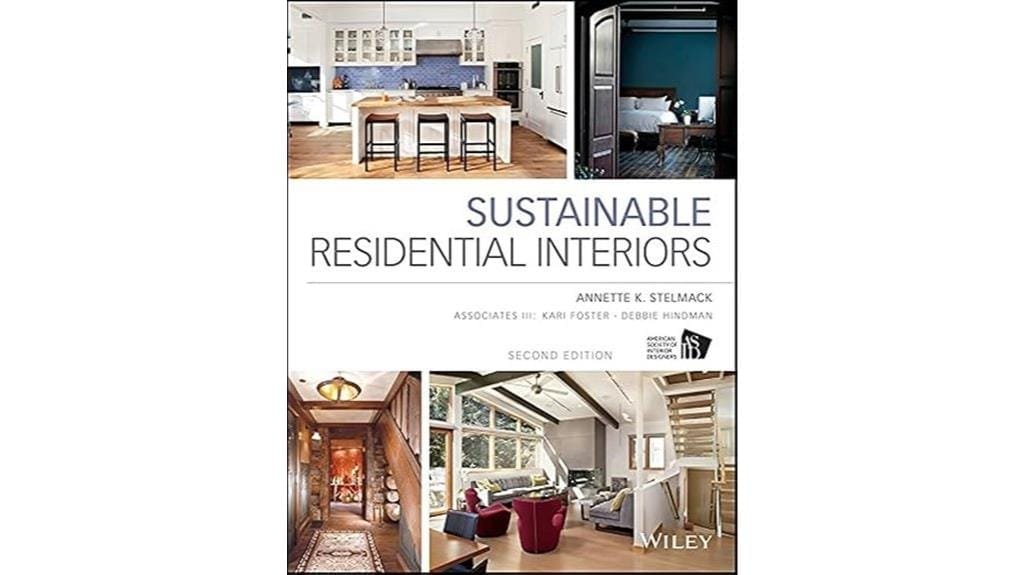
Sustainable residential interiors are perfect for homeowners and designers who prioritize eco-friendly living without sacrificing style. Imagine stepping into a space that not only looks stunning but also nurtures the Earth—this is what Annette's insightful book, "Sustainable Residential Interiors," offers. You'll discover practical steps for choosing materials that minimize harmful chemicals, ensuring your home is a safe haven for both you and the planet. Even if you've only skimmed the pages, you'll appreciate the wealth of knowledge packed within. It's a must-read, guiding you toward informed decisions that lower your carbon footprint while enhancing your living space. Embrace this journey, and transform your home into an eco-conscious paradise that reflects your values and aesthetics beautifully.
Best For: Homeowners and designers who are committed to eco-friendly living and want to create stylish, sustainable interiors.
Pros:
- Comprehensive Guide: Offers practical steps for selecting eco-friendly materials and designs.
- Knowledge-Rich Resource: Packed with valuable information on sustainable living practices.
- Positive Impact: Helps reduce carbon footprints while enhancing the aesthetic of living spaces.
Cons:
- Limited Reading Experience: Some readers may find it challenging to digest all the information in one go.
- Niche Focus: Primarily targets those specifically interested in sustainability, which may not appeal to all homeowners.
- Potential Cost: Sustainable materials can sometimes be more expensive than conventional options.
Eco-Friendly Home Design: Simple Solutions for Sustainable Living
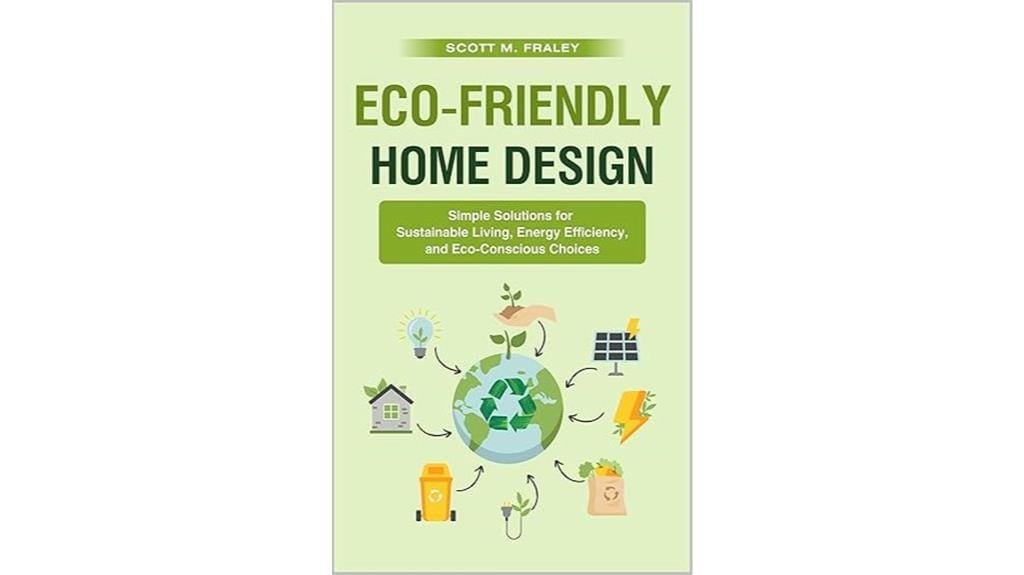
Eco-friendly home design offers a perfect solution for families looking to create a healthier living space while reducing their environmental impact. By embracing sustainability, you can teach your children the importance of caring for our planet, just like my daughter learned from her amazing teacher. Start by choosing eco-friendly materials for your interiors, like reclaimed wood or low-VOC paints, that not only look beautiful but also promote better indoor air quality. Implementing energy-efficient practices can lead to significant savings on your bills, making it a win-win for your wallet and the Earth. Involving your whole family in these eco-conscious habits makes the journey more enjoyable, fostering a sense of togetherness as you all work towards a greener future. Let's transform your space into a haven of sustainability!
Best For: Families looking to create a healthier living space while reducing their environmental impact through sustainable practices.
Pros:
- Pros:
- Encourages eco-friendly habits that can be taught to children, fostering a sense of environmental responsibility.
- Offers practical tips that are easy to implement, making sustainability accessible for all families.
- Promotes energy efficiency, leading to cost savings on utility bills and a reduced ecological footprint.
Cons:
- Cons:
- Some families may find the initial investment in eco-friendly materials to be higher than traditional options.
- Implementing sustainable practices can require time and effort, which may be challenging for busy households.
- Not all eco-friendly products are readily available in every area, potentially limiting options for some families.
Factors to Consider When Choosing Eco-Friendly Materials for Interiors
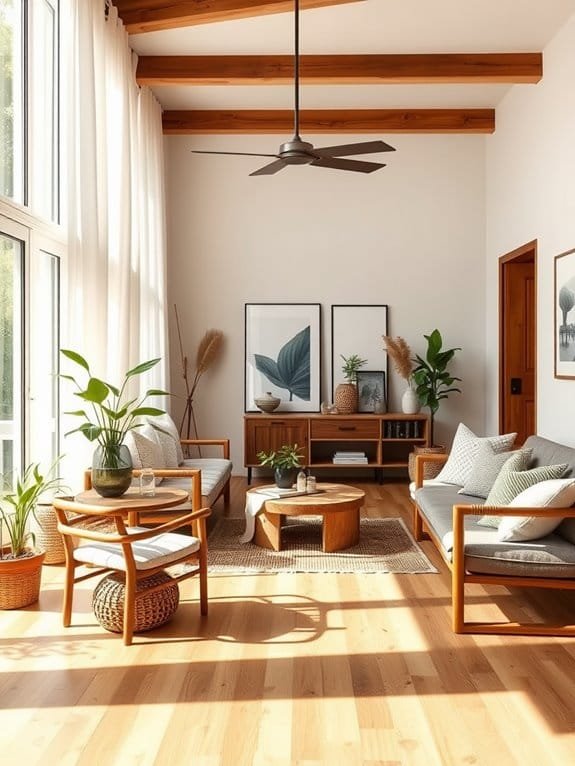
When you're choosing eco-friendly materials for your interiors, there are some key factors you won't want to overlook. It's not just about picking something that looks good; consider how transparent the material's sourcing is, whether it emits low VOCs, and how durable it is for the long haul. Plus, taking into account renewable resources and the overall lifecycle of the products will guarantee your choices not only benefit your home but also the planet we all share.
Material Sourcing Transparency
In today's conscious consumer landscape, material sourcing transparency plays an essential role in selecting eco-friendly materials for interiors. When you're choosing materials for your space, it's vital to understand where they're coming from and how they're made. This clarity empowers you to make informed choices, ensuring that your selections align with sustainable practices that cherish our planet.
Certifications like the Forest Stewardship Council (FSC) or the Global Organic Textile Standard (GOTS) serve as reliable indicators of responsible sourcing, giving you peace of mind that your materials are not only beautiful but also ethically produced. As you explore the supply chain, you might uncover important insights about labor practices and ecological impacts, allowing you to support brands that prioritize both people and the environment.
With a growing number of consumers—about 66%—willing to pay extra for sustainable brands, it's clear that sourcing transparency is more than just a trend; it's a movement toward a more responsible way of living. By choosing materials with transparent origins, you're not just transforming your space, you're also contributing to a brighter, more sustainable future for everyone.
Low VOC Emissions
Choosing materials with low VOC emissions is essential for creating a healthier indoor environment, especially since these volatile organic compounds can linger in the air and lead to respiratory issues. When you select materials like paints, adhesives, or flooring that are specifically labeled as low VOC, you're not just making a choice for aesthetics; you're actively contributing to a cleaner, more breathable space for yourself and your loved ones.
Imagine walking into a room where the air feels fresh and invigorating, without the worry of harmful chemicals lurking in the corners. By opting for eco-friendly materials that meet stringent low VOC standards, you greatly reduce the concentration of potentially hazardous substances in your home. This choice not only promotes your well-being but also aligns beautifully with sustainable living practices, enhancing your home's overall carbon footprint.
Plus, many of these materials can help you achieve green building certifications, like LEED, which is a wonderful bonus if you're passionate about the planet. So, take a moment to explore the variety of low VOC options available, and embrace the transformation they can bring to your living space. Your lungs will thank you!
Durability and Longevity
While selecting eco-friendly materials for your interiors, it's crucial to prioritize durability and longevity. You want materials that won't just look great today but will stand the test of time, reducing the need for frequent replacements that create waste and clutter. Consider options like reclaimed wood or bamboo; not only do they add a unique warmth and character to your space, but bamboo is also remarkably strong, often outlasting many hardwoods.
Think about the life cycle of the materials you choose, aiming for those with a lifespan that exceeds 50 years—these are not just good for your home, but they're better for the planet too. Durable choices, like ceramic tiles or natural stone, resist wear and tear, minimizing maintenance and enhancing the overall lifespan of your installations.
Investing in these resilient materials can lead to significant long-term cost savings, as they typically require less upkeep and fewer replacements compared to less durable options. So, as you set out on this journey of creating your eco-friendly haven, let durability and longevity guide your choices, ensuring your space remains beautiful and sustainable for years to come.
Renewable Resources Utilization
Durability and longevity form a solid foundation for any eco-friendly interior, but the resources from which your materials are derived play a pivotal role in their sustainability. When you're choosing materials, consider renewable resources like bamboo and cork, which grow quickly and can be harvested sustainably, making them perfect options for your home. Imagine the warmth of reclaimed wood, which not only cuts down on waste but also helps conserve forests, preserving the ecosystems we cherish.
Don't overlook materials born from agricultural byproducts like wheatboard or strawboard; these clever choices utilize resources that would otherwise be discarded, supporting a circular economy that benefits everyone. Natural fibers such as hemp, jute, and sisal are biodegradable and have a much lower environmental impact than synthetic alternatives, enhancing your indoor air quality while adding a touch of nature to your space. And remember, when you select materials certified by organizations like the Forest Stewardship Council (FSC), you're ensuring that they come from responsibly managed forests, which means you're contributing to sustainable forestry practices with every decision. Your choices can make a difference, transforming your space into a haven for both you and the planet.
Lifecycle Assessment Importance
Understanding the importance of lifecycle assessment (LCA) is essential for making informed decisions about eco-friendly materials in your interiors. When you initiate the journey of a product—from raw material extraction to its ultimate disposal—you uncover the hidden impacts on our precious environment. This thorough evaluation not only helps you identify ways to reduce energy consumption during production but also highlights how much waste a material generates at the end of its life.
By considering LCA, you're able to select materials that minimize harmful emissions and promote resource efficiency, making your space not just beautiful, but also sustainable. Imagine choosing a flooring option that, through careful assessment, reveals a lower carbon footprint, contributing to climate change mitigation efforts. Each thoughtful choice you make fosters a sense of transparency and accountability in material sourcing, encouraging a more responsible design approach.
Incorporating LCA into your decision-making not only transforms your space but also aligns your home with a greener future, enriching both your surroundings and the world beyond your walls. So, let's commence this eco-friendly journey together, one informed choice at a time!
Energy Efficiency Ratings
Selecting eco-friendly materials for your interiors involves more than just aesthetics; energy efficiency ratings play an essential role in your decision-making process. When you're choosing materials, keep an eye out for labels like Energy Star, which signifies that a product meets strict energy guidelines set by the U.S. Environmental Protection Agency. These ratings help you pick materials that can considerably lower your energy consumption, leading to a cozy home and a lighter wallet.
Additionally, consider the Home Energy Rating System (HERS) score—lower scores reflect better energy performance, guiding you toward materials that enhance overall efficiency. Don't overlook the U-factor, which measures heat transfer; materials with lower values are better insulators, keeping your space warm in winter and cool in summer. Also, check the Seasonal Energy Efficiency Ratio (SEER) for air conditioning units; higher ratings mean better efficiency, impacting your HVAC choices and insulation selections.
Finally, look for energy efficiency certifications like LEED, which provide a framework for selecting materials that not only reduce energy use but also contribute to a more sustainable lifestyle. By focusing on these energy efficiency ratings, you're making a thoughtful investment in both your home and the planet.
Conclusion
Transforming your space with eco-friendly materials isn't just about making a choice; it's about embracing a lifestyle that balances beauty with responsibility. Imagine walking on reclaimed wood, feeling the warmth of sustainable textiles, or breathing in the freshness of low-VOC paints—all while knowing you're making a positive impact on our planet. So, as you commence on this journey of sustainable living, remember, each small decision contributes to a brighter, greener future for you and generations to come.