
In 2024, you can transform your space with these three amazing biophilic design trends. First, maximize natural light with large windows and open layouts, letting warmth and brightness flood your home. Next, incorporate lush greenery by adding indoor plants and even a water feature, as the soothing sounds and vibrant colors boost your mood and lower stress. Finally, use sustainable materials like reclaimed wood and bamboo, not just for their beauty but also for their positive environmental impact. These elements will create a serene sanctuary, evoking a deep connection to nature that you'll love—stick around, and you'll discover even more ideas!
Key Takeaways
- Increased emphasis on maximizing natural light and ventilation to create healthier, more inviting spaces is a key trend in 2024 biophilic design.
- The integration of modular components allows for versatile layouts that adapt to various activities and enhance user experience.
- Use of sustainable materials, such as reclaimed wood and bamboo, continues to rise, reducing environmental impact while promoting a connection to nature.
- Outdoor biophilic applications are gaining popularity, encouraging interaction with natural environments through features like community gardens and green spaces.
- Emotional well-being is becoming a core design principle, focusing on enhancing mental health through natural elements and greenery in living spaces.
Nature by Design: The Practice of Biophilic Design
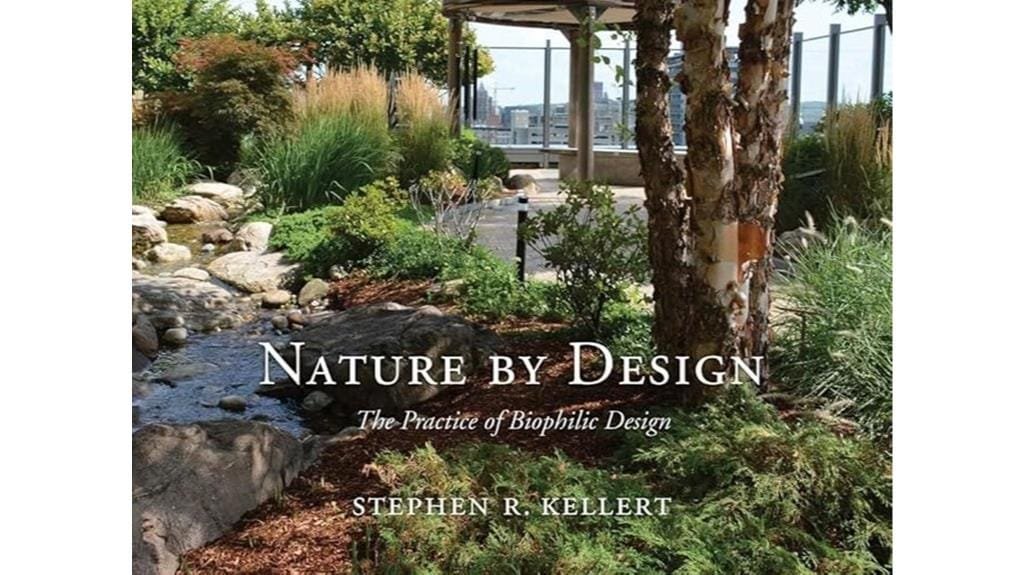
If you're curious about creating healthier and more sustainable spaces, "Nature by Design: The Practice of Biophilic Design" is a must-read. This beautifully illustrated book introduces you to the enchanting world of biophilic design, where nature and architecture intertwine harmoniously. You'll discover intriguing concepts that can inspire you to transform your surroundings into vibrant, life-enriching environments. While some readers find the writing a bit dry and dull at times, the stunning visuals make it a delightful coffee table piece. It offers a roadmap to building happier, more sustainable communities, inviting you to embrace nature's elements in your designs. So, whether you're an enthusiast or a novice, this book can spark your creativity and deepen your appreciation for the beauty of nature in our built spaces.
Best For: Those interested in biophilic design and sustainable architecture looking for inspiration and visual appeal.
Pros:
- Beautiful imagery and visual appeal make it suitable as a coffee table book.
- Introduces intriguing concepts for creating healthier, happier communities through biophilic design.
- Serves as an ideal introduction to the growing field of biophilic architecture.
Cons:
- Writing style can be repetitive and dull, lacking engagement.
- Some readers feel the content resembles AI-generated text, lacking depth.
- May disappoint those seeking in-depth analysis rather than aesthetic inspiration.
Biophilia: A handbook for bringing the natural world into your life
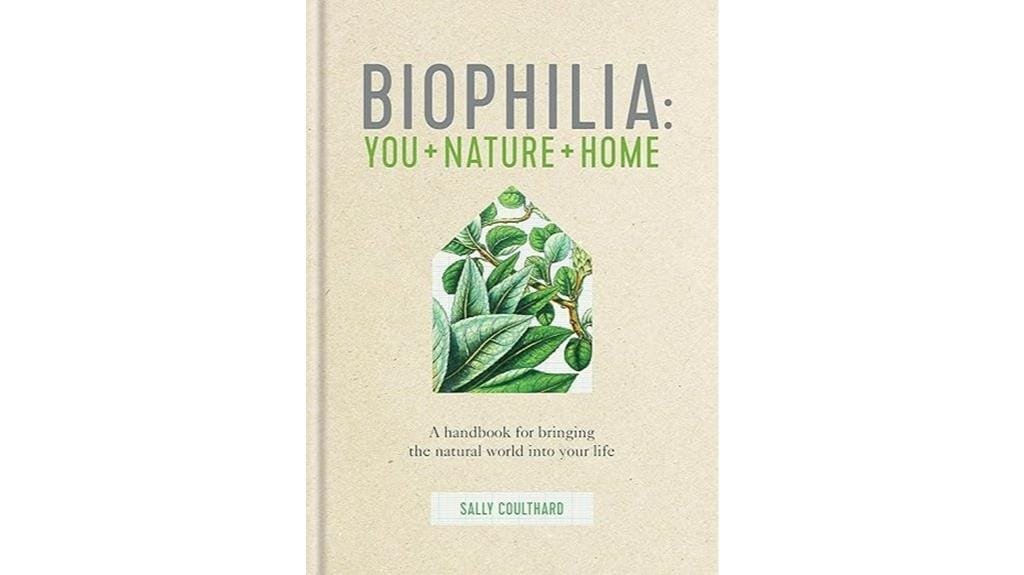
For anyone looking to transform their living space into a soothing sanctuary, "Biophilia: A Handbook for Bringing the Natural World into Your Life" stands out as an essential resource. This beautifully illustrated book invites you on a journey, exploring the profound connections between humans and nature, and it does so with such grace and clarity that you might find yourself captivated from the very first page. The engaging writing style makes complex ideas accessible, ensuring you can easily grasp the principles of biophilic design. With practical suggestions for infusing your home with elements of nature, this handbook encourages healthier and happier living. So, whether you're a seasoned nature lover or just beginning to explore, you'll discover inspiration to create your own natural haven.
Best For: Individuals seeking to enhance their living environment with natural elements and those interested in biophilic design.
Pros:
- Beautifully illustrated, making it visually appealing and calming.
- Offers practical suggestions for incorporating nature into daily life.
- Engaging writing style that makes complex concepts easy to understand.
Cons:
- May not provide in-depth scientific analysis for advanced readers.
- Limited coverage of outdoor biophilic applications beyond home settings.
- Some readers may find the content too basic if they have prior knowledge of biophilia.
Biophilic Design: Theory and Practice of Bringing Buildings to Life
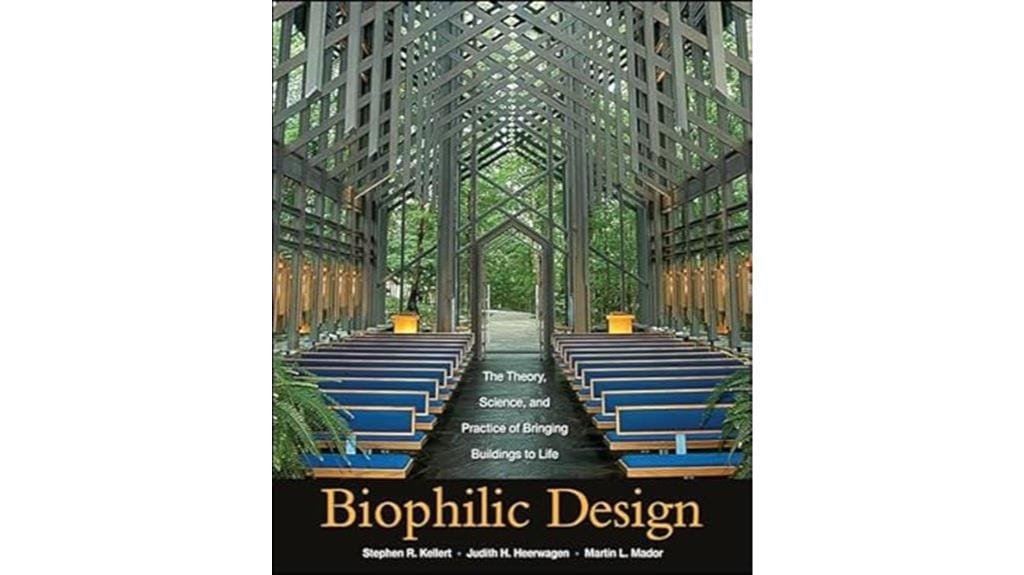
Biophilic design trends in 2024 are ideal for architects, urban planners, and designers enthusiastic to create spaces that cultivate a deeper connection between people and nature. By weaving natural elements into architectural fabric, you're not just designing buildings; you're nurturing emotional and physical well-being. Think about how sunlight streaming through large windows can elevate a room's mood, or how incorporating greenery can reduce stress and foster tranquility. Drawing from foundational theories, like Edward O. Wilson's concept of biophilia, you'll discover that these elements aren't merely aesthetic; they're essential for promoting vibrant communities. As you explore case studies, consider how holistic approaches can transform environments, making them not only functional but also life-affirming, encouraging everyone to embrace the beauty of nature within our built spaces.
Best For: Architects, urban planners, and designers seeking to enhance emotional and physical well-being by integrating natural elements into their projects.
Pros:
- Promotes health and well-being by reducing stress and improving recovery times through natural elements.
- Encourages vibrant communities by fostering a deeper connection between people and nature.
- Supports holistic design approaches, transforming spaces to be both functional and life-affirming.
Cons:
- Potentially higher costs associated with incorporating natural materials and features into designs.
- Requires ongoing education and adaptation for architects and designers unfamiliar with biophilic principles.
- Implementation challenges in urban environments where space and resources may be limited.
Factors to Consider When Choosing Biophilic Design Trends
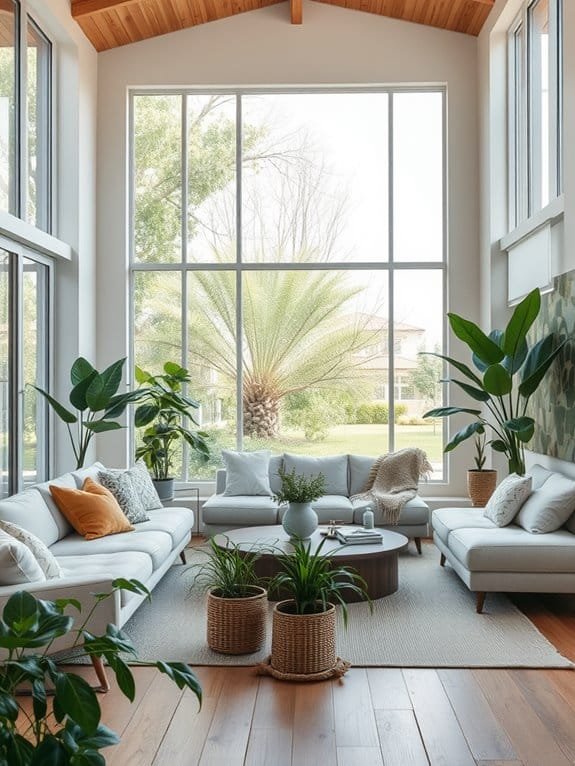
When you're choosing biophilic design trends, it's crucial to reflect on how they'll resonate with both your space and your soul. You'll want to take into account the aesthetic appeal and functionality, ensuring that each element not only looks beautiful but also serves a purpose, while also maximizing natural light and ventilation to create an inviting atmosphere. Plus, don't forget about the importance of sustainable materials and how well everything integrates with the surroundings, as these factors can greatly enhance your psychological well-being and connection to nature.
Aesthetic Appeal and Functionality
Incorporating natural elements into your design can greatly enhance both the aesthetic appeal and functionality of a space. Imagine walking into a room filled with lush greenery, where the vibrant hues of leaves dance in the sunlight, creating a warm and inviting atmosphere. This careful integration of nature not only pleases the eye but also uplifts your mood, promoting a sense of well-being and tranquility.
When choosing biophilic design trends, think about how these elements serve a purpose beyond mere decoration. Natural materials, such as wood and stone, create an organic feel that fosters comfort, while designs featuring flowing, organic forms can evoke emotional connections to the natural world, making you feel more at home.
It's essential to strike a balance between aesthetics and functionality—beautiful spaces should also improve air quality and reduce stress, ultimately enhancing your productivity and creativity. Research shows that when you combine these elements thoughtfully, you're more likely to enjoy improved health outcomes and overall satisfaction in your environment. So, as you commence on your biophilic journey, remember to embrace both the beauty and practicality of nature, creating a haven that truly nourishes your spirit.
Natural Light and Ventilation
How can you transform a space into a sanctuary that nurtures body and mind? One of the most effective ways is by embracing natural light and ventilation. Imagine waking up to sunlight streaming through large windows, instantly lifting your mood and energizing your spirit. Studies show that exposure to daylight not only enhances your sense of well-being but also regulates your circadian rhythms, helping you feel more balanced and productive throughout the day.
Proper ventilation is just as crucial. Fresh air circulation reduces indoor pollutants, invigorating your environment and enhancing cognitive function, which is essential for a healthy living space. Think about incorporating open layouts and skylights, allowing the outdoors to flow seamlessly into your home.
You can further elevate your sanctuary by adding natural elements like vibrant plants or soothing water features, which complement the benefits of light and air. These touches create a harmonious atmosphere that fosters relaxation and reduces stress, leading to improved recovery times in healthcare settings. By thoughtfully integrating these elements, you'll craft a space that not only looks beautiful but also nurtures your body and mind.
Sustainable Material Selection
Natural light and ventilation set the stage for a nurturing environment, but the materials you choose play an essential role in enhancing that sanctuary. When you select sustainable materials, like bamboo or reclaimed wood, you substantially reduce your environmental impact while promoting healthier living spaces that breathe life into your home. Opt for locally sourced
Integration With Surroundings
Embracing biophilic design means understanding how your space can harmonize with its surroundings. Imagine this: your home isn't just a structure; it's a living part of the local ecosystem. By using native plants and materials that resonate with the local context, you create a vibrant sense of place, making your space feel like it belongs to the Earth itself.
Think about the sightlines and views you'll want to frame, ensuring that those lucky enough to occupy your space can visually connect with nature's beauty just beyond their windows. Incorporating natural light through strategic window placement and skylights not only brightens up your interiors but also nurtures that essential connection with the outdoors, reducing energy consumption in the process.
Don't forget about the outdoor areas! Consider adding gardens, green roofs, or inviting balconies that encourage you and your loved ones to step outside and interact with nature. These spaces become extensions of your home, enhancing your experience and providing a delightful retreat. By thoughtfully integrating your design with its surroundings, you're not just creating a beautiful space; you're crafting an environment that promotes peace, joy, and a true connection to the world around you.
Psychological Well-being Considerations
When designing your space with biophilic principles, it's important to contemplate the profound impact on psychological well-being. Imagine stepping into a room filled with natural light streaming through large windows, illuminating vibrant greenery just outside. This connection to nature can reduce your stress levels and enhance your mood, creating a tranquil retreat from the chaos of daily life. Research shows that these natural elements not only bring peace but also boost cognitive function, allowing you to focus better, whether you're working or studying.
When you incorporate features like plants and sunlight, you're actively lowering your cortisol levels, which means you're nurturing your mental health. Plus, these spaces can foster emotional resilience, helping you cope with life's challenges more effectively. You'll find that the presence of nature encourages a sense of community and belonging, making social interactions richer and more fulfilling, which is essential for your overall happiness. So, as you commence on this design journey, keep in mind how these choices can shape not just your environment, but also your emotional landscape, paving the way for a more joyful and connected life.
Flexibility and Adaptability
Flexibility and adaptability are essential components of successful biophilic design, allowing your space to evolve with changing needs and environments. Imagine a home or office where you can easily rearrange the layout to accommodate a gathering one day and a quiet workspace the next; that's the beauty of adaptable design. By incorporating modular components and flexible arrangements, you can maximize functionality while minimizing resource waste, creating a sustainable environment that truly feels alive.
Natural light and ventilation systems can be tailored to suit the seasons, ensuring your space remains comfortable and inviting, while also reducing energy consumption. This thoughtful integration not only enhances your experience but also deepens your connection to nature, promoting mental well-being and productivity. Picture yourself basking in the sunlight streaming through large windows, or feeling a gentle breeze wafting through as you work or relax—these elements truly elevate your surroundings.
Ultimately, prioritizing flexibility in biophilic design helps foster a sense of belonging and harmony with the environment, allowing you to interact with nature meaningfully. So, as you explore design trends for 2024, consider how these adaptable elements can transform your space into a haven of comfort and creativity.
Community Engagement Opportunities
Incorporating community engagement opportunities into biophilic design trends not only strengthens the connection between individuals and their environment but also enhances the overall impact of these spaces. When you involve residents in the planning and design processes, you guarantee their needs and preferences shape the outcome, creating a sense of ownership that galvanizes local participation. Imagine the joy of tending to a community garden, where neighbors bond over nurturing plants and sharing stories, fostering stronger social ties that enrich your community life.
Engaging locals in educational programs about biophilic design can raise awareness and promote sustainable practices, leading to healthier living environments for everyone. Collaborating with local artists and designers can infuse your space with unique, culturally relevant elements that resonate with your community's identity and history, making the environment feel truly yours.
Additionally, utilizing public forums and feedback sessions during the design phase invites diverse perspectives, allowing for a richer, more inclusive approach that results in biophilic initiatives everyone can embrace. Ultimately, when you prioritize community engagement, you don't just create beautiful spaces; you cultivate a vibrant, interconnected community where everyone feels valued and heard.
Long-term Maintenance Needs
Long-term maintenance needs are essential to evaluate when selecting biophilic design trends, as they directly impact the longevity and functionality of your space. When you incorporate natural materials, keep in mind they often need more frequent upkeep; think about how wood might require treatments to stave off decay and pesky insects. If you're adding living plants, be prepared for the regular commitment of watering, pruning, and managing pests, ensuring their lush beauty thrives throughout the seasons.
Don't forget about natural light optimization! You'll want to keep windows and skylights squeaky clean for maximum light transmission and energy efficiency. And if water features are part of your vision, remember they come with their own set of responsibilities—routine maintenance will include water quality testing, cleaning, and maybe even repairs to pumps and filtration systems.
Ultimately, the durability and sustainability of the materials you choose can greatly influence your long-term maintenance needs. By considering these factors, you're not just creating a beautiful space; you're investing in an environment that breathes life and joy for years to come.
Conclusion
As you embrace these biophilic design trends in 2024, remember that creating a space infused with nature isn't just about aesthetics; it's about weaving a tapestry of life, much like the intricate patterns found in a forest's undergrowth. By inviting the outdoors in, you're not only transforming your environment but also nurturing your spirit, fostering tranquility, and igniting creativity. So, go ahead, let your space bloom, and watch as it breathes life into your everyday moments, just like a sunbeam breaking through the trees.